I come from a family of storytellers, and my father is the greatest of them all. The moment he comes across somewhat new or interesting information, he doesn’t try to verify the facts right away. Instead he constructs the most believable and engaging story possible and then tries to convince everyone around him of his version of reality.
I used to roll my eyes at this, but now I just laugh. I’m exactly the same, would not consider myself to be the modern C. P. Estés, nor would I claim to be the voice of our generation, but I am at least a voice. Of a generation.
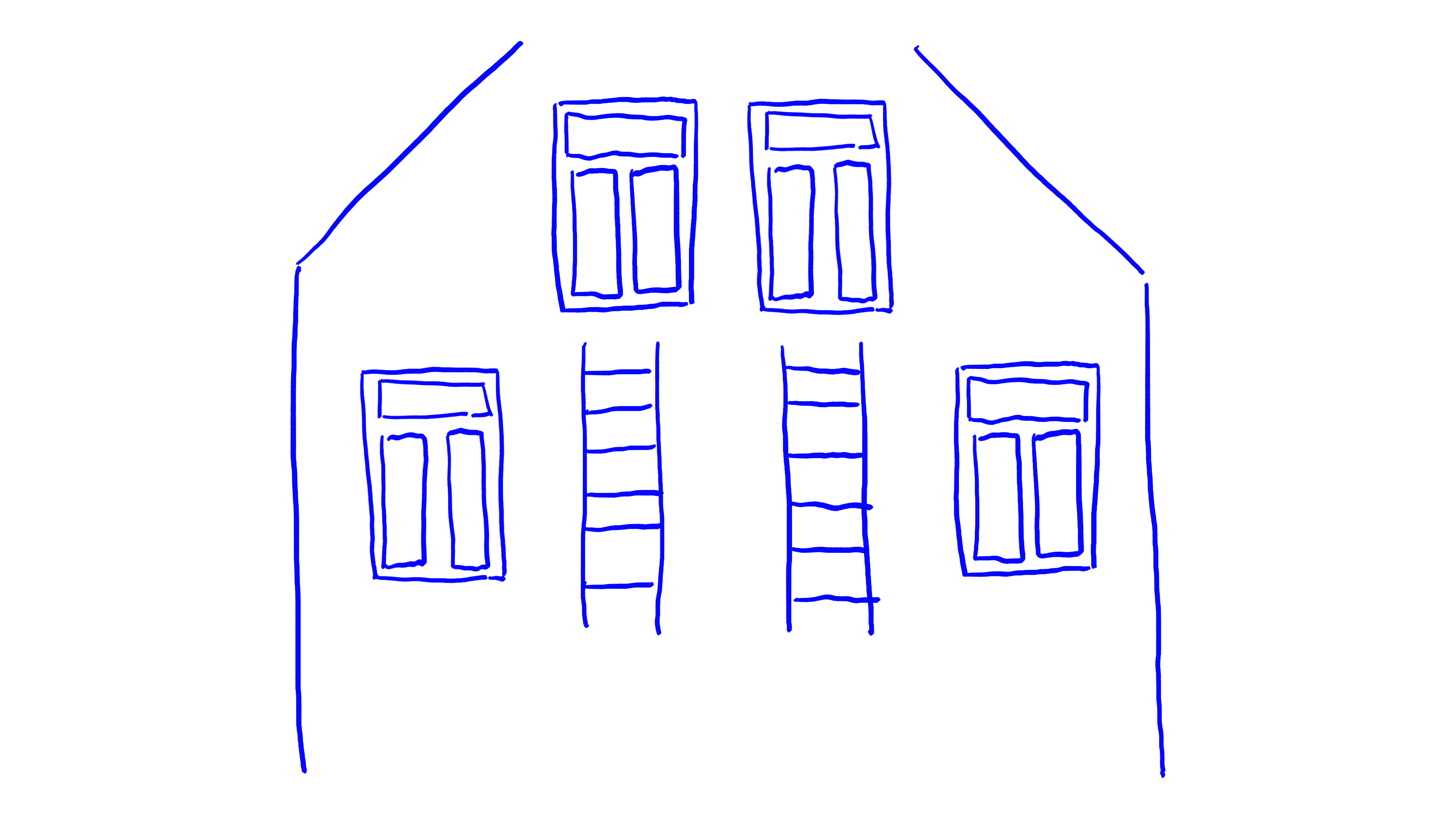
For example, if you find yourself on the Finnish island of Åland and see a house with a ladder that looks unusual and, at the same time, a bit impractical, one thing you do not do is ask your preferred LLM for a lengthy explanation involving words like load-bearing and flywheel. Instead, you let your imagination loose:
Finns may not seem romantic, but deep down, they truly are, and this is the proof. I can see it clearly: the ladder is a very careful declaration. Placed high enough to keep out unwanted guests, and just low enough that with the right dose of courage, one could still make it. Or maybe it is just to turn goodbyes into an adventure. Very Romeo and Juliet coded.
It is a skill. And it might not get better over time.
Recently, a friend sent me an article by Derek Thompson titled The Orality Theory of Everything1, in which he and Joe Weisenthal trace the slow historical shift from oral culture, a world where the written word did not exist, to the age of literacy, made possible by the invention of writing.
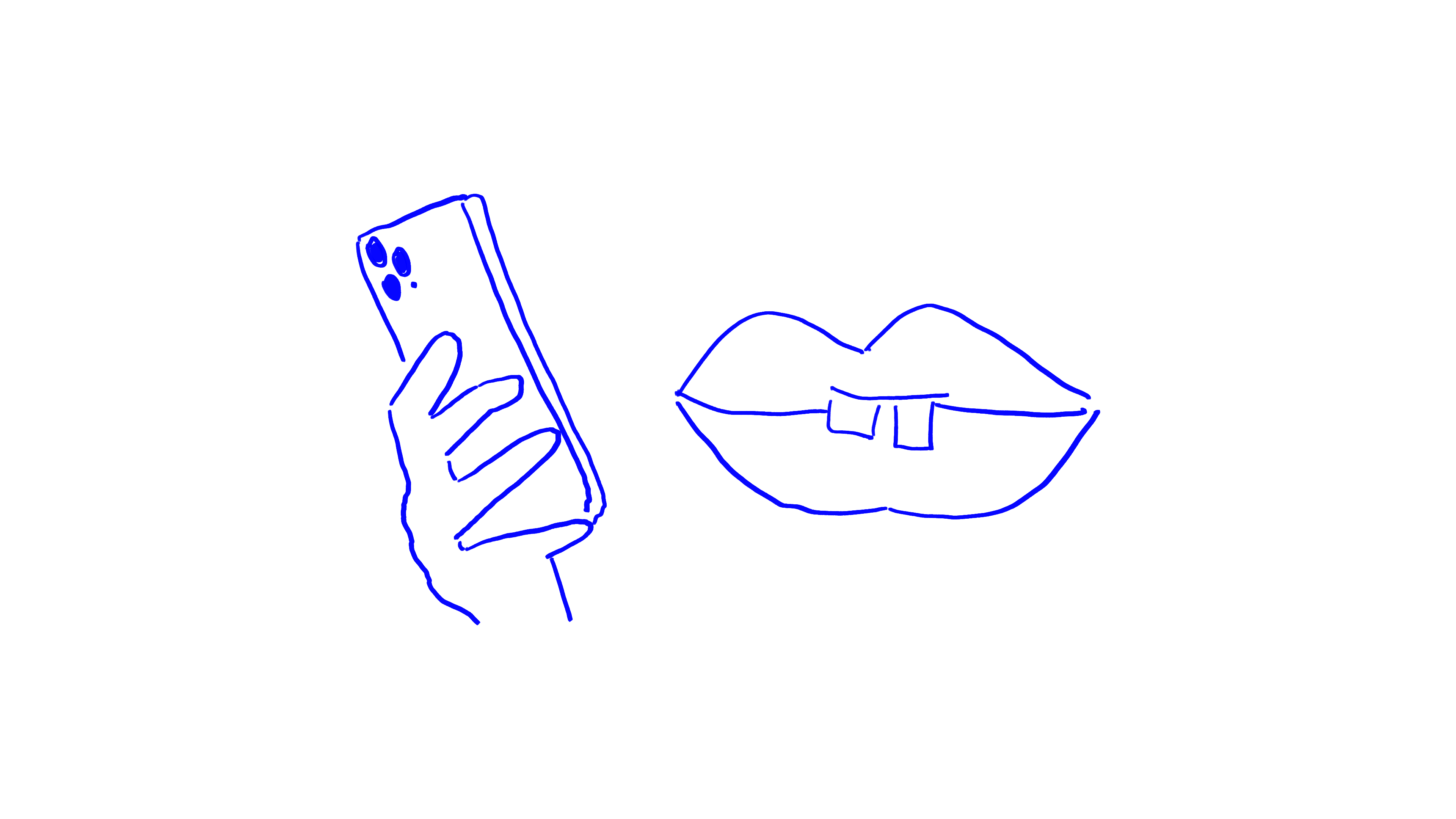
More importantly, they point to the rise of digital media as evidence of a partial return to orality, which made me wonder whether we are really becoming a more oral society or only learning to sound like one.
Undoubtedly, the best-known figure associated with the concept of orality is Walter J. Ong, whose publication Orality and Literacy: The Technologizing of the Word2 systematically and chronologically describes everything set in motion by the democratising Greek alphabet. Easy enough to learn that it was, for the first time, truly available to everyone. But I will not get ahead of myself.
Ong points out that for a fully literate person, it is often very difficult to imagine what it truly means to exist in a culture with no awareness of writing.
Try to imagine a culture where no one has ever ‘looked up’ anything. In a primary oral culture, the expression ‘to look up something’ is an empty phrase: it would have no conceivable meaning. Without writing, words as such have no visual presence, even when the objects they represent are visual. They are sounds. You might ‘call’ them back — ‘recall’ them. But there is nowhere to ‘look’ for them. They have no focus and no trace (a visual metaphor, showing dependency on writing), not even a trajectory. They are occurrences, events.
To build a mental model of how the inability to write changes the way one thinks and functions, it helps to look at the characteristics of orality that the author himself defines:
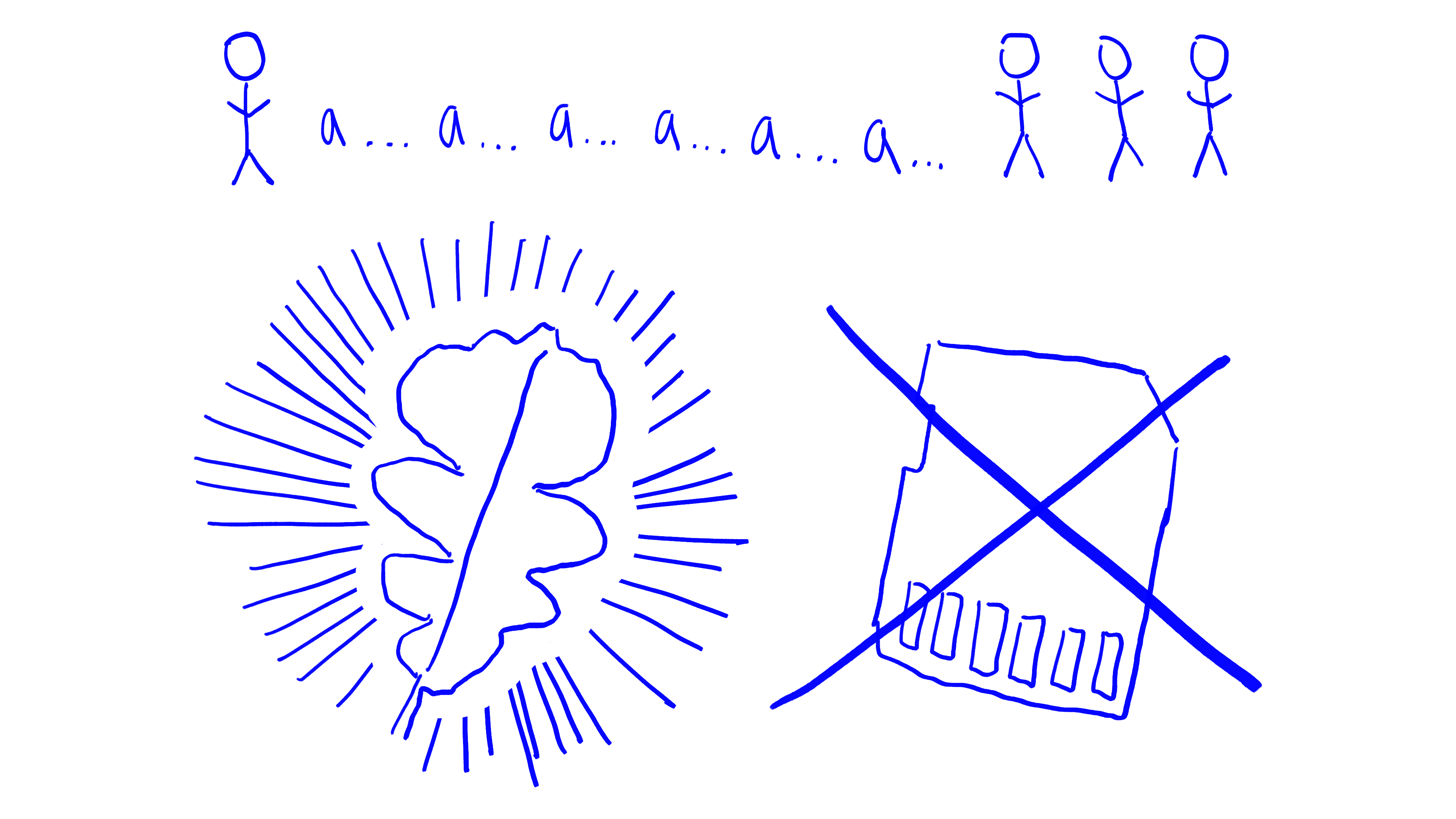
Additive rather than subordinative: Stringing thoughts together with ‘and… and… and…’ as opposed to hierarchical organisation with ‘because’, ‘although’ or ‘thus’.
Aggregative rather than analytic: A person living in an oral culture would never say ‘princess’; they would say ‘beautiful princess’. Oral thought relies on epithets and fixed formulas that a highly literate culture tends to regard as redundant and decorative.
Redundant or copious: Since there is no way to scroll back in oral speech as there is in written text, the mind must stay focused on what is being said. Repeating what has already been said is not seen as a flaw; it is a necessary tool for keeping both speaker and listener oriented.
Conservative or traditionalist: In oral culture, knowledge is hard won and easily lost if not repeated often. Writing, by contrast, frees the mind from the constant burden of remembering and makes intellectual progress possible.
Close to the human lifeworld: Structuring content in the abstract is practically unknown in oral cultures. Something as neutral as a list or an index would be virtually impossible to find.
Agonistically toned: It is no surprise that when all communication rests on the spoken word, it carries greater intensity, whether in the form of attraction or conflict. Oral exchange is inherently charged.
Empathetic and participatory, rather than objectively distanced: Objectivity demands formulaic, structured expression. Writing gives a person the space to distance themselves from what they know; oral culture, by contrast, requires full presence and identification with the subject.
Homeostatic: Oral cultures gradually shed memories that are no longer relevant to the present. Unlike literate cultures, there is no archive to return to.
Situational rather than abstract: If you show someone shaped by oral thinking a circle and ask what it is, they will name objects from real life associated with that shape rather than reaching for a categorical or geometric term.
Literacy can, based on these characteristics, be understood as the other side of the coin.
Primary orality fosters personality structures that in certain ways are more communal and externalised, and less introspective than those common among literates. Oral communication unites people in groups. Writing and reading are solitary activities that throw the psyche back on itself.
Worth noting, there are two points that can be considered pivotal in shaping the interaction between orality and literacy: the concept of rhetoric, which draws on the agonistic dynamics of oral expression while adding a scholarly foundation developed through writing; and Latin, which played a significant role in the development of Western intellectual culture.
Literacy, by its very nature, enabled everything from the rise of modern sciences to Western European exploration of the globe, and made literacy a serious pursuit, and even affected the development of modern capitalism. In doing so, it genuinely reprogrammed the way we think.
And yet, if literacy restructured consciousness so profoundly, what exactly are we claiming when we say we are now returning to orality?
Ong himself anticipated this question. He observed that electronic media such as telephone, radio, or television were giving rise to what he called secondary orality: a new kind of oral culture that, unlike the primary one, is entirely dependent on writing and print for its existence.
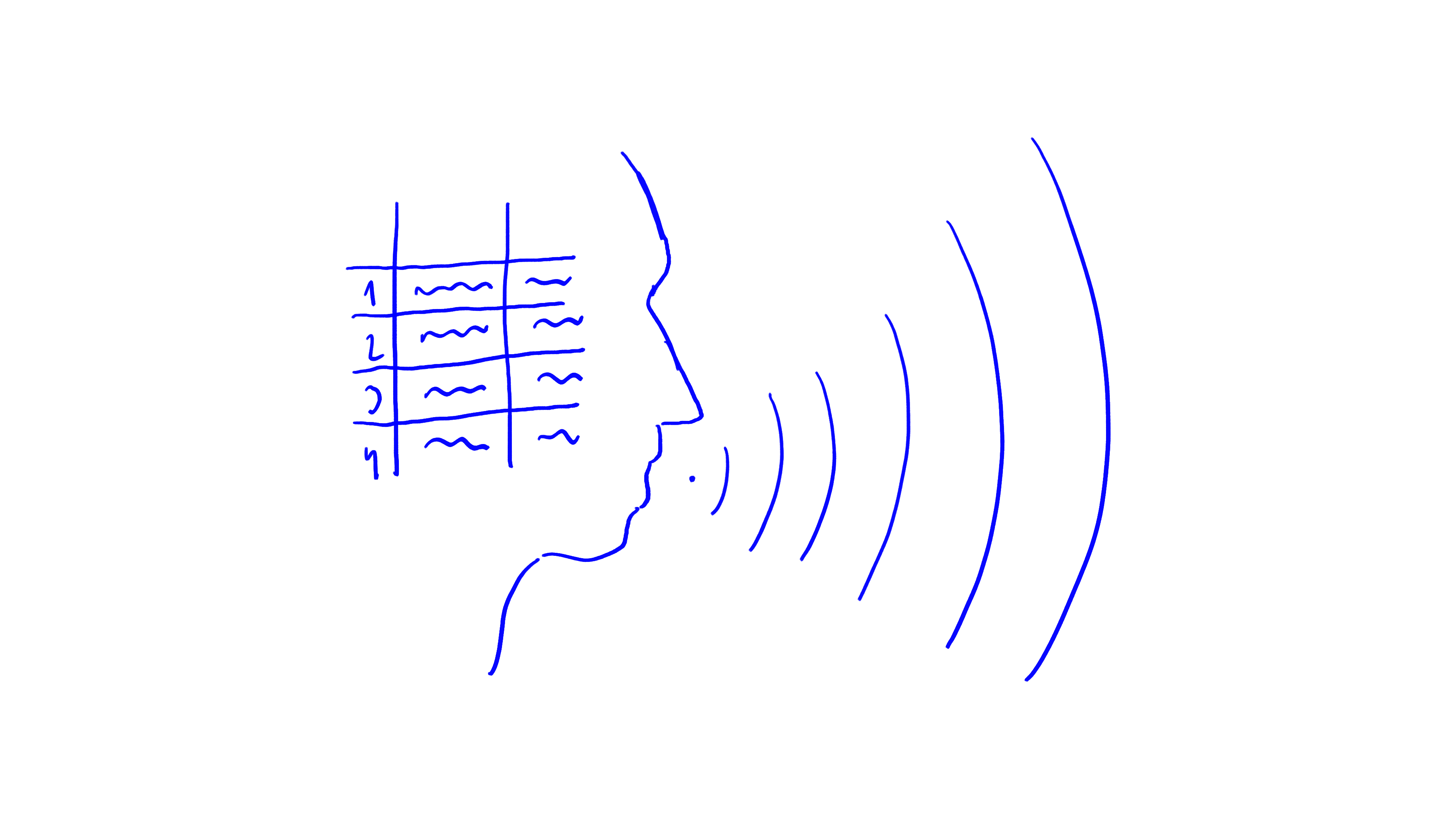
Similar to primary orality, secondary orality fosters a sense of togetherness and community among people. On the other hand, it is hard to ignore that, despite this, it feels deeply rehearsed and planned; the way content is scripted in advance creates the impression that spontaneity is performed rather than genuine.
Secondary orality promotes spontaneity because, through analytic reflection, we have decided that spontaneity is a good thing.
Ong himself points to this and draws a comparison between past and present political debates. At first glance, this comparison seems telling. He references the series of debates between Lincoln and Douglas in 1858, held outdoors before responsive audiences of 12,000 to 15,000 people. He then contrasts this with political debates today, where the difference is not the suffering of presenting one’s views for an hour and a half without any audio technology under the blazing Illinois sun, but the almost absurd degree to which contemporary debates are stripped down and contained. The audience is absent, inaudible. The candidates engage in crisp little exchanges. Secondary orality does not seem particularly organic. Which makes me think we are not really heading towards orality in the way it might appear.
Given how carefully Ong handles terminology, the term secondary orality is, at its core, a bit misleading.
It bundles two distinct things under a single label: the medium, which is sound and the deeper organisation of thought that characterises oral culture. Secondary orality is audible, yes. But it is scripted, monologic, one-to-many, and produced by people whose thinking has been entirely shaped by literacy. It sounds oral. It thinks literate.
And when held against the characteristics Ong himself defines, it falls short. It is not aggregative, it is edited. Not homeostatic, it is archived. Not situational, it is optimised. The spontaneity is decided in advance.
Since the publication of his book in 1982, a lot has changed in the realm of orality. A newer term attempts to capture the current experience more precisely: digital orality, where the primary medium is texting. Andrey Mir3 describes it well:
Like oral speech, texting is interactional, behavioral, and immersive. It doesn’t allow for delay: it’s impulsive and reactive in the moment, without deliberation or strategizing.
Emojis, stickers, and GIFs mimic gesture and facial expression, almost evoking the era of Sumerian ideograms. And the aspiration for a frictionless medium with all the auto-correct, word prediction, and next-phrase suggestions, without a doubt, encourages speed and discourages reflection. Every interaction is optimised and every obstacle removed.
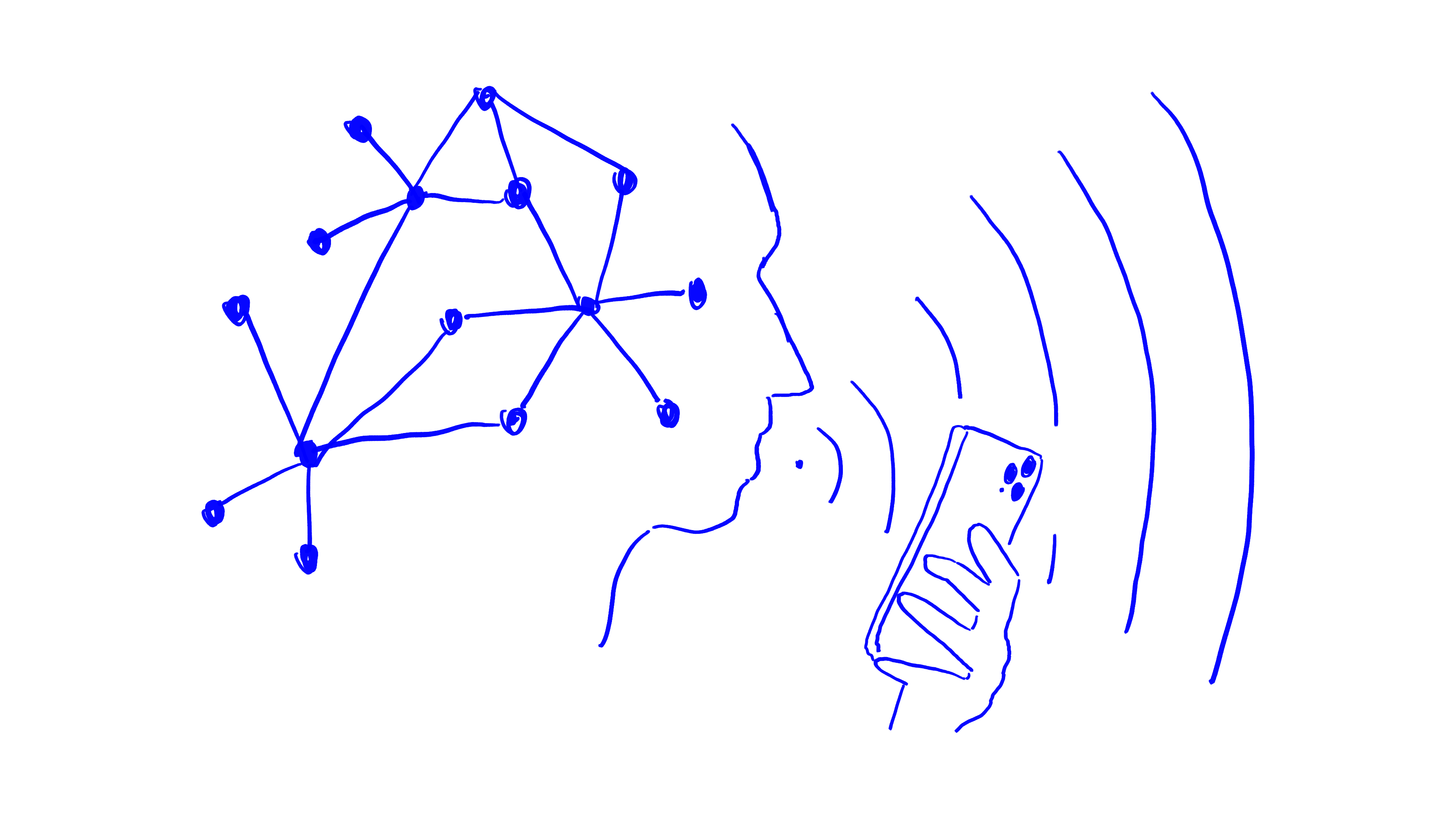
And yet, even when the medium and thought process start to genuinely resemble primary orality, the mind using it has been irreversibly shaped by literacy. Using the term orality still feels more like wishful thinking.
After all, emojis don’t have wrinkles.
We can fight it all we want, but our thinking stays literate.
The storyteller in me finds the way we keep reaching for the word orality somewhat beautiful. Not because it fits, but because it sounds better than the truer, more literate alternatives. It seems as if we would rather tell the engaging story about the oral human being than look at the facts.
However, I cannot deny that I am part of a literate society. I have systematically gone over the list of characteristics of orality several times and also looked up the fact that the ladder serves as a fire escape.
Footnotes
-
THOMPSON, Derek, 2026. The Orality Theory of Everything. Online. Available at: The Atlantic, https://www.theatlantic.com/ideas/2026/02/social-media-literacy-crisis/686076/. [accessed 2026-06-16]. ↩
-
ONG, Walter J. and HARTLEY, John, 2012. Orality and Literacy: The Technologizing of The Word. 30th Anniversary Edition. London: Routledge Taylor & Francis Group. ISBN 978-0-415-53838-1. ↩
-
MIR, Andrey, 2026. Digital orality: the return of speech. Online. Available at: Substack, https://www.andreymir.com/p/digital-orality-the-return-of-speech?hide_intro_popup=true. [accessed 2026-06-16]. ↩